


New or Used Machine Tool? Which Is the Right Choice for Your Production Needs?
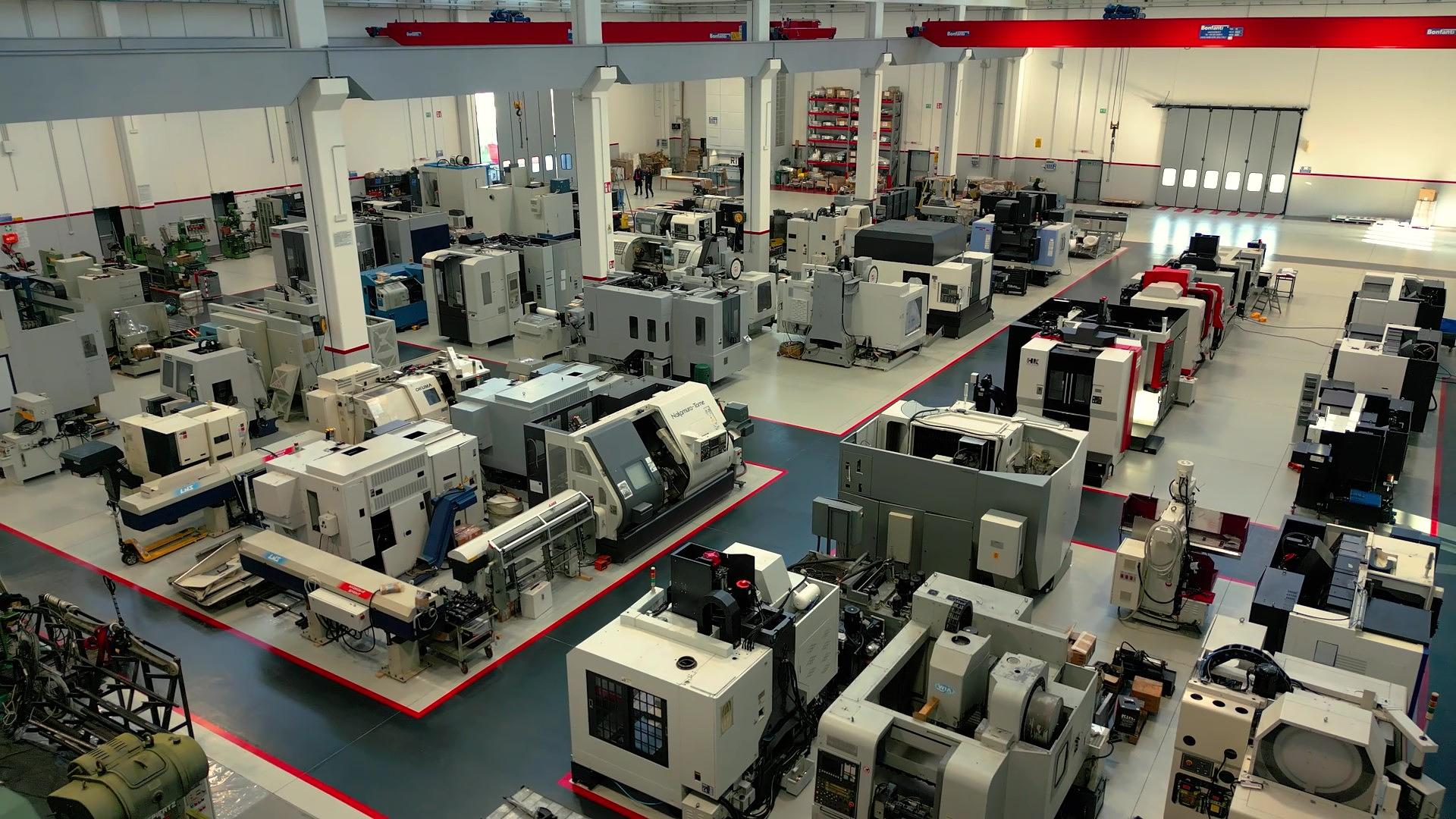
A machine shop needs to replace a lathe that is beginning to lose accuracy. Another has secured a new order and needs to increase its production capacity within a few weeks. A third wants to bring in-house machining operations that it has previously outsourced. All three are looking for a machine tool, but they do not necessarily need the same solution. More importantly, they do not all have to make the same choice between new and used machinery.
We supply new machine tools and used machine tools, with used machines undergoing refurbishment and testing before sale. This means we can start by looking at the work the customer needs to carry out, rather than treating a new machine as the only option and a used one as a budget alternative.
First of all, what parts do you need to produce?
To guide the choice, we need precise information: materials, workpiece dimensions, tolerances, surface finishes, batch sizes and how frequently setups need to be changed. Repetitive production involving similar parts requires a different approach from a workshop that switches between different machining operations several times a day. Even a machine capable of removing material very quickly may be of little use if the department spends much of each shift preparing tools and setting up workpieces.
For a machining centre, important factors include axis travels, table dimensions, spindle specifications and tool magazine capacity. For a lathe, the key considerations include turning diameter and length, bar capacity, tailstock and available equipment. However, the specifications on the technical data sheet must always be compared with the parts to be produced: purchasing capabilities that will never be used means tying up capital without gaining any production benefits.
It is also worth examining what happens before and after machining. If parts spend a long time waiting for dimensional inspection, or loading takes longer than the actual cutting operation, the investment should take those stages into account too. A faster machine does not automatically solve a problem that lies elsewhere.
When is it worth buying a used machine?
A used machine can be a good choice when production requirements are already well defined, the required performance is compatible with that of the available machine, and no specific features of the latest models are needed. The initial cost advantage can be significant, but it must be assessed based on the actual machine, not simply its year of manufacture: two machines of the same make and model may have very different histories. Maintenance, operating hours, any previous impacts, earlier repairs, component condition and spare parts availability all matter. This is why, before purchasing, it is important to know which inspections and refurbishment work have been carried out. Whenever possible, an agreed test using a representative machining operation can reveal much more than simply switching the machine on.
Another factor is how familiar operators are with a particular CNC control or machine range. If programmes, tooling and setups are compatible, commissioning may be easier, provided that compatibility is actually verified. The CNC brand alone is not always enough to guarantee this kind of continuity.
When considering a used machine, therefore, the discussion with the customer focuses on the specific machine available: its mechanical and electronic condition, the work carried out, testing results and the equipment included in the sale. This information allows us to assess together whether the machine is suitable for the intended work and what level of investment it requires.
When the advantages of a new machine make the difference
A new machine becomes particularly attractive when specific performance levels, configurations or automation systems are required that are difficult to find among the used machines available. This may be the case for more complex machining operations, a greater number of operations in a single setup, or integration with loaders and other equipment already planned for the workshop. In these situations, it is essential to define the required configuration, because on more advanced and recent models, the CNC control, accessories, software and pre-arrangements can vary significantly, even within the same series. It is important to check that everything needed for production is actually included in the offer, rather than relying solely on the maximum performance figures published by the manufacturer. Our range of new machines includes CNC lathes, machining centres and gear hobbing machines. When making a selection, we also consider everything needed to put the machine into production: transport, installation, testing, initial training and after-sales support.
The comparison must include the cost of production
A lower quotation does not necessarily mean a more cost-effective investment. Transport, unloading, workshop preparation, tooling, setups, training and maintenance can all affect the final result. For a used machine, potential future repairs must also be estimated; for a new machine, the time required to fine-tune the process and make full use of its features needs to be considered. The most useful comparison is one based on the same production orders: cycle times and tolerances, equipment included in the delivery, energy consumption, maintenance and the consequences of potential downtime. These are the factors that determine the actual cost of production.