


Why visit the supplier before purchasing a machine tool
A lathe or machining center may seem perfect on paper but prove less than ideal when examined closely. The catalog lists travels, power ratings, dimensions, and features; it doesn't always provide a clear idea of how convenient it is to load a part, reach the spindle, or adjust the chip conveyor. That's why, when a customer is interested in a machine, we invite them to come and see it. A visit helps clear up doubts that photographs and phone calls rarely resolve.
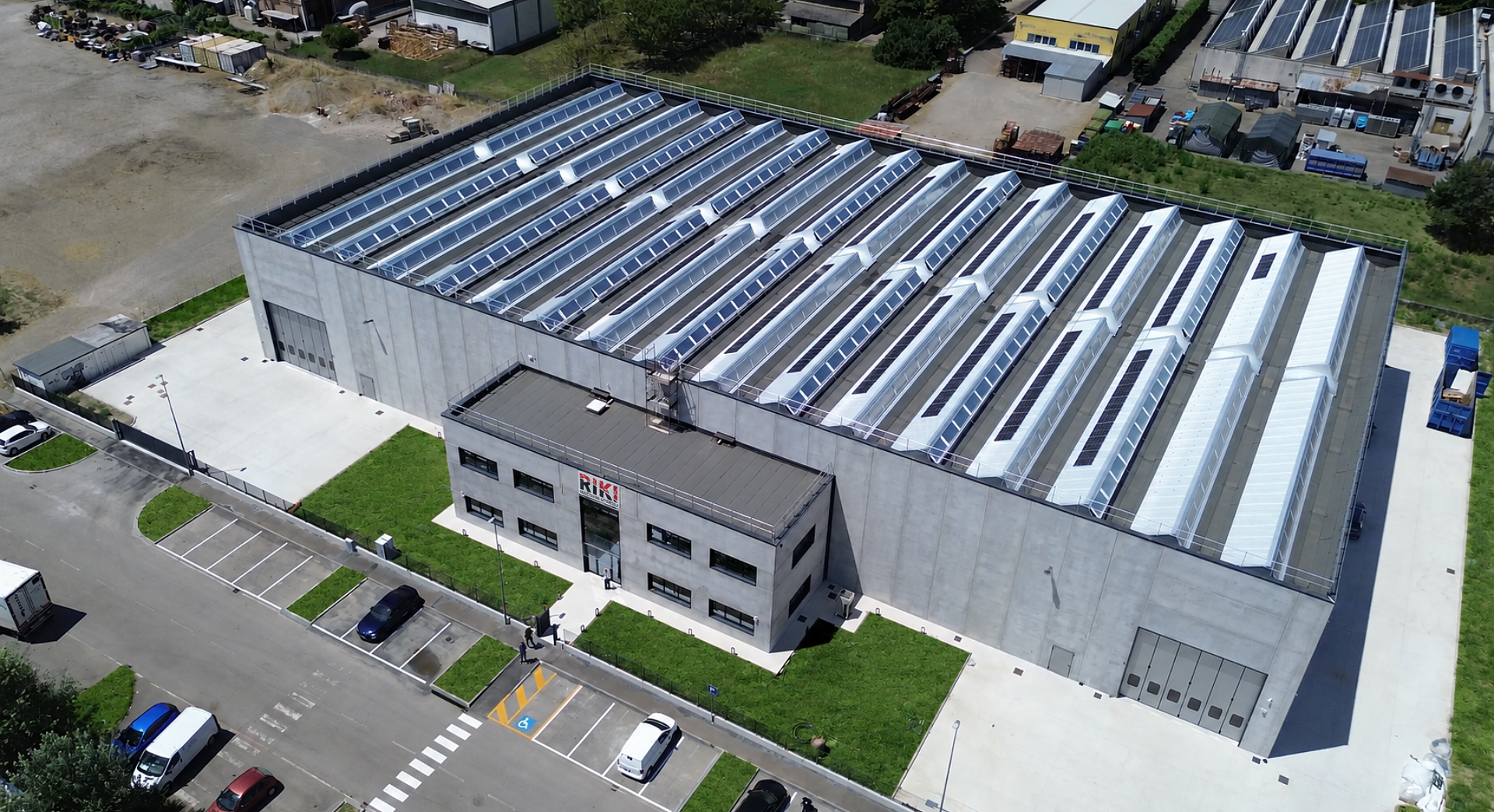
We operate in San Martino in Rio, in the province of Reggio Emilia, and we deal in new and used machine tools. Anyone wishing to contact us can arrange a visit to our premises to view a specific machine. This way, we can verify the availability of the requested model and clarify any checks that are possible. Not all machines in our catalog are necessarily in the same condition or always immediately ready for a test run.
The importance of analyzing the pieces to be produced
Those who arrive with a drawing of the parts to be produced, complete with significant dimensions and a forecast of quantities, can discuss a decision much more concretely. The starting point is the machining process: materials, dimensions, tolerances, finishes, cycle times, and frequency of tool changes. On a lathe, the turning diameter, bar capacity, working length, and any live tools will be important; on a machining center, the strokes, table, spindle, and tool magazine will be important. These are all characteristics that, of course, directly depend on the nature of the parts to be produced.
Sometimes, a configuration rich in accessories doesn't bring real benefits to simple and stable production. In other cases, however, an additional axis or pallet changer can avoid re-setup or reduce a manual task that's often repeated. These are all differences that will be easier to clarify before purchasing if you have the specifications of the actual work to be performed at hand.
What can be understood by observing the machine
The visit also allows you to distinguish the model illustrated in the sales literature from the actual machine offered: numerical control, software options, clamping equipment, and accessories can vary from one configuration to another. A live visit allows you to better assess the opening of the guards, access to the work area, the location of the controls, and the space occupied by the auxiliary systems—details that impact the operator's day and maintenance. It's also important to imagine the machine in the department where it will be installed, along with the trolleys, the parts to be handled, and the existing equipment, to ensure that the work can be performed comfortably.
For used machines, there's an additional reason to come and see them: two models from the same series may have performed different jobs and be in different conditions. Leaks, visible repairs, condition of guards, apparent wear, and actual equipment help you better understand if you're looking at the machine your business really needs.
Once the machine is available and conditions allow, functional checks can be arranged. These must be established in advance: turning on the control and moving the axes is not the same as producing a sample piece, and a single successful job does not demonstrate the machine's performance in every situation. The materials, tools, parameters, and measurements to be checked must be defined, with tests performed by authorized personnel and in compliance with safety measures.
A visit also helps to clarify what you are buying
During the meeting, the customer can ask what documents accompany the machine and, if it's used, what work has been done. For new models, they can clarify which features are standard and which are optional. This is also the right time to discuss transportation, installation, testing, training, and assistance—services that RIKI includes in the scope of supply, but whose details need to be determined. Before closing the deal, the information gathered must be incorporated into the offer: model, configuration, serial number (if applicable), accessories included, agreed-upon testing, and post-sales activities.
At our headquarters at Via dell'Artigianato 7, San Martino in Rio (RE), we can address these issues, starting with the machine you're interested in. On our website, you'll find sections dedicated to new and used machines . The next step is to schedule a visit so you can ask us directly the questions that really matter to your production.